
Collecting extends beyond simply gathering items, having a large effect on a person’s emotional state.
It brings happiness from the search, pride from ownership, and satisfaction from organising everything.
However, long-term hobbies often face problems. The main issues include losing interest when a collector feels a lack of newness, making sudden, unthought-of purchases, harming the budget, and knowing how to check the real value of coins.
Understanding how your mind works helps you keep collecting stable and joyful feelings for many years.
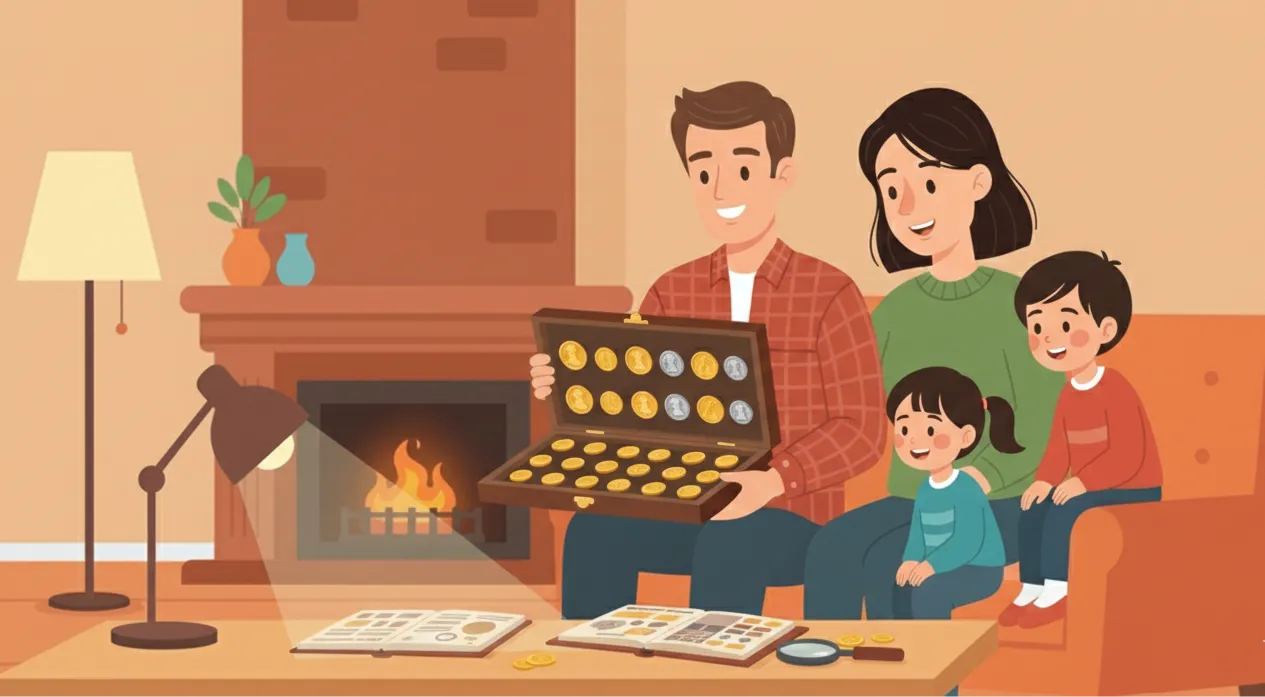
Reasons for Losing Motivation
Motivation, the power that makes you continue gathering, can decrease due to several reasons, requiring quick knowledge for fixing them.
- Setting a large, impossible goal, for example, collecting every coin from Europe.
- Not finding the final, necessary coin for finishing a set.
- Buying too many coins too fast, leaving no new goals for the search.
- Constantly looking at collections owned by other people who have more money and time makes you feel unsuccessful.
- The collection lying around is messy, and the coins are not recorded or sorted, creating a feeling of chaos.
How to Restore and Keep Interest
Keeping interest in a collection remains a task needing a constant change in approach. Feeling tired requires taking small, necessary steps to feel the joy of the hobby again.
- Collecting an entire series means switching to studying just one type of coin. Learning the history of its making, finding different stamp versions, and beginning to collect coins from a single year in different conditions.
- Starting to write about your coins online, perhaps in a blog or on a forum. Explaining to other people why a coin is interesting helps you understand its worth deeper, making your connection to the collection stronger.
- Moving coins from old albums into newer, nicer capsules or holders. The visual update of the collection gives a strong push toward new motivation.
- Starting to gather something totally new but small and cheap, such as subway tokens or coins with minting errors. Giving a feeling of newness without spending much money.
- Putting aside all buying and spending, a day of recording exact facts about the coins you already own in a table. Organising the collection offers a powerful source of happiness.
Understanding Impulse Purchases
An impulse purchase means buying something without a plan, without studying the market via a coin appraisal app, and often based on feelings. These purchases quickly use up your money and fill the collection with coins you do not truly need.
Why Impulse Purchases Happen
Fear of missing out felt — seeing a coin at an auction and thinking that not buying it now means never finding it again.
Desire for completion — almost finishing a set and seeing the last, missing coin. The need to finish the work right now overcomes common sense.
Emotional release sought — buying a coin serves as a way to relieve stress or lift your mood after a hard day.
Influence from others — seeing other people actively buying a coin and believing its price will rise soon.
How to Prepare a “Stop List”
To prevent buying extra items, you must decide in advance what you will never purchase. Writing this list down and hanging it near your workspace is helpful.
- Coins showing strong repair work. These are coins that have been heavily cleaned or fixed.
- Coins not belonging to your theme. A coin looks nice and is rare, but it does not fit your collecting theme.
- Coins you already own. Buying a second or third coin exactly like one you already have in the same condition.
- Coins are priced 50% above the catalogue value. Paying too much, a cost you can easily avoid.
- Coins have no proof of being real. A coin lacking a certificate, with the seller not seeming trustworthy.
Behavioural Techniques Against Impulsivity
You can use simple mind tricks to stop yourself in the moment of having a strong desire to buy something you don’t need.
The 48-hour rule applied.
Seeing a coin you badly want to buy means closing the page and giving yourself 48 hours to think. During this time, the strong feelings calm down, allowing you to make a decision using your mind.
Calculating expenses is done.
Before buying, figure out how much money you have already spent on your collection over the last year. A large sum will make you think twice.
Storage needs evaluated.
Thinking about where you will put the new coin. Having no place or no right capsule suggests the purchase should be postponed.
Visualising the goal practised.
Looking at your list of coins you want to collect and asking yourself: does the new coin move me closer to the goal or take me away from it?
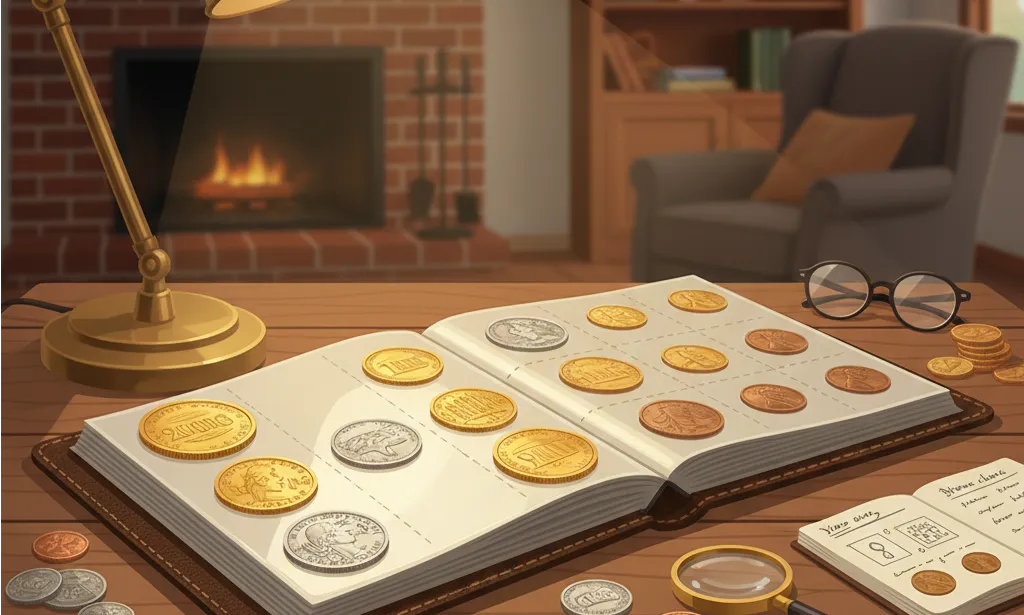
Attention switched fully.
Feeling a strong urge to buy means taking up another part of the hobby: starting to clean the album, rewriting the catalogue, or reading an article about the coins you already have.
Planning as the Basis for Calmness
A clear plan remains the best way to stop impulse purchases, allowing you to always know which coin comes next and for what reason.
- The list must be divided into three parts clearly.
- Coins are buyable right now (costing up to 50 dollars).
- Coins with a medium price (50-200 dollars), needing savings.
- The “dream coin” has been serving as a goal for 5 years.
- Buying a coin must only happen when it stands first on the coin worth app list, preventing random purchases.
Setting aside a fixed amount each month. Deciding, for example, to spend only 100 dollars per month on the hobby, and spending no more than that.
Creating a separate “coin account”. Money meant for the hobby should stay separate from money for everyday life.
Not using credit money. Never buy coins by using debt, because doing so quickly leads to losing the joy of the hobby.
| Emotion / Feeling | How it Affects Buying | Behavioral Technique |
| Stress / Tiredness | Buying a coin quickly makes you feel better quickly | Switching attention: cleaning, cataloguing |
| Fear of Missing Out (FOMO) | Buying too fast at the auction | Applying the 48-hour rule |
| Feeling of Not Being Complete | Buying a coin not in the theme, only “to fill space” | Checking the “Stop List,” visualising the goal |
| Envy / Comparison | Buying an expensive coin to “keep up” with others | Evaluating storage: thinking about where to put the coin |
| Strong Desire to Finish | Agreeing right away to a high price for the last coin in a set | Calculating expenses: figuring out how much money has been spent |
Conclusion
Collector psychology involves the skill of managing your feelings and desires. Keeping motivation requires constantly changing tasks and sharing your knowledge.
The main problem remains impulse buying.
You must fight it by using the 48-hour rule and a written “stop list” of coins not to buy. A clear financial plan and a list of goals are the foundation for calm and happy collecting, helping you feel satisfied with every well-thought-out step.